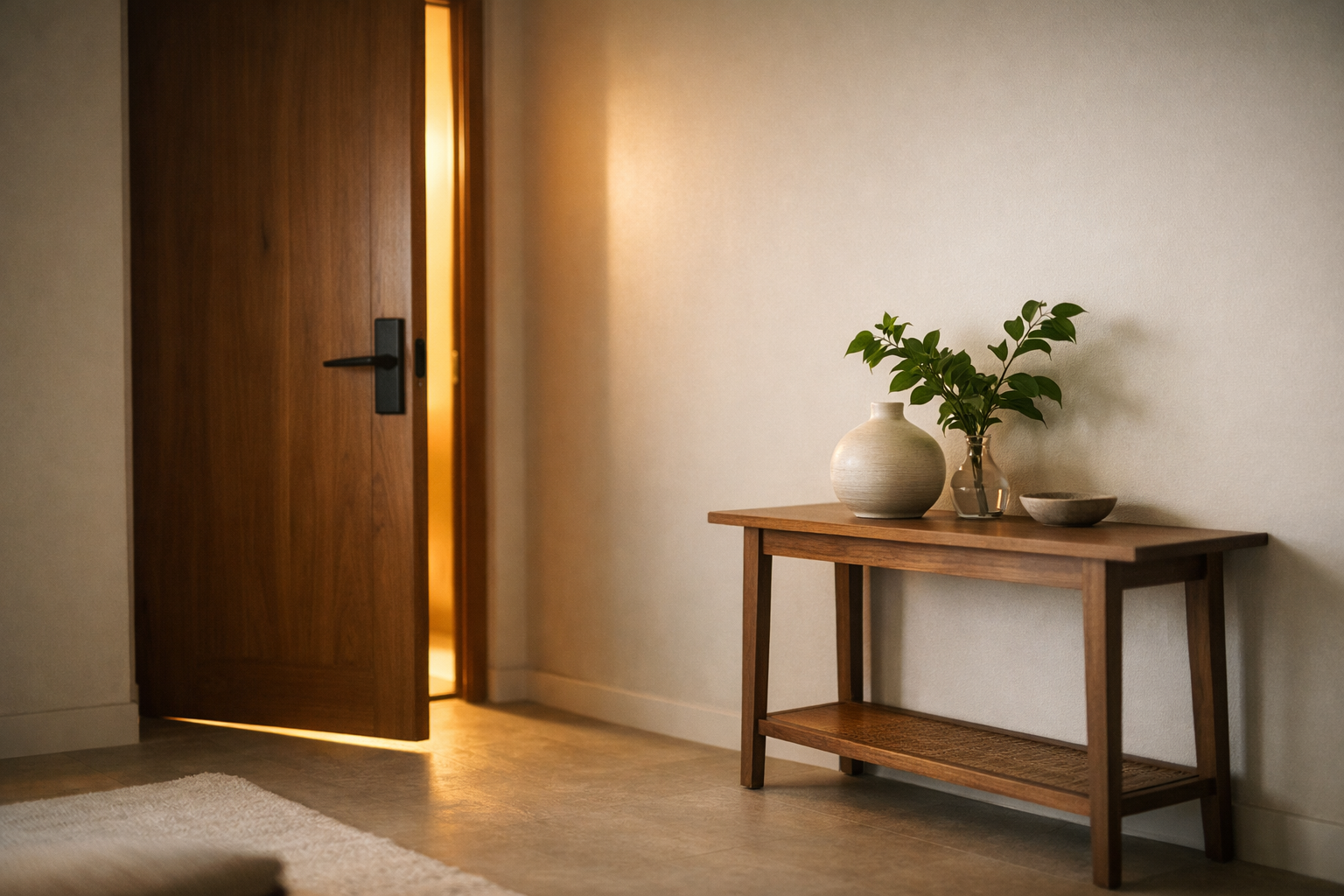
Imagine this.
Across the corridor from you lives a family. The husband comes home drunk every day. He urinates in the corridor, quarrels loudly with his wife, throws things around the house, and causes a scene every other night.
How would you feel opening your door every morning and seeing that door?
Now imagine you are that neighbour’s child, and this is what you walk home to, every single day.
In Feng Shui, the front door is known as the mouth of Qi the point where external energy enters your home.
But more importantly, the front door is a threshold. It is where your inner state meets the outside world.
We cross this threshold every day often multiple times a day. This is why the front door is the most important energetic boundary in the home.
Why the Front Door Matters in Feng Shui
The scene you encounter at the front door determines the emotional and psychological state you carry into your home.
From a Feng Shui perspective, whatever you meet at this threshold does not stay outside — it enters with you.
- Unresolved stress follows you home
- The nervous system remains alert
- Rest becomes difficult even in a safe space
This is why entrance Feng Shui affects not just mood, but long-term household harmony.
Why the Scene Outside Your Door Matters
The environment outside your door sets the tone before you even step inside.
Chaos, conflict, clutter, or aggression at this point creates anticipatory stress. Even if you try to ignore it, your body registers it.
This is why Feng Shui assessments always begin outside the home, not inside.
In fact, I’ve seen this play out clearly in real consultations. One Qi Men Dun Jia case study showed how the external environment and entry sequence explained why a client felt blocked despite doing everything “right” internally.
You can read the full breakdown here: How Qi Men Revealed the Hidden Details Behind a Stuck Situation →
The Role of 玄关 (Xuan Guan)
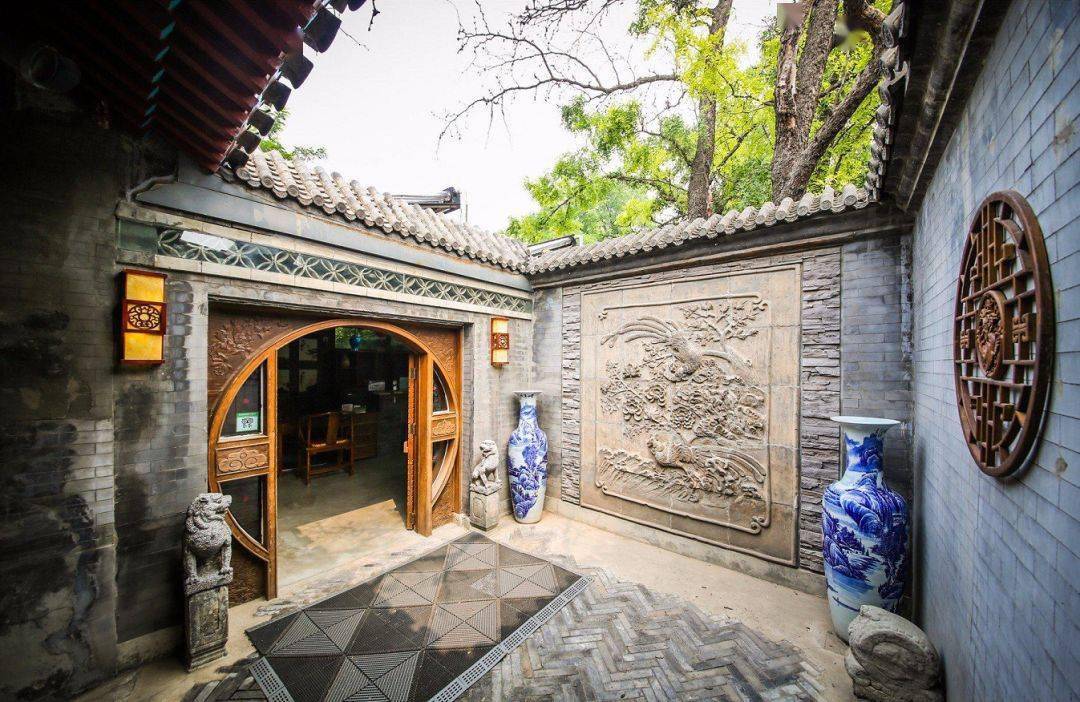
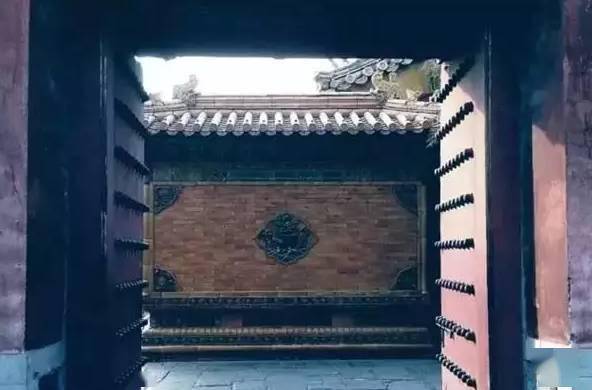
In classical Feng Shui, the front door does not end at the door itself.
What truly matters is the 玄关, the transitional space just inside the entrance.
The purpose of the 玄关 is simple: it allows energy, emotion, and attention to settle before moving deeper into the home.
When the 玄关 is absent or chaotic, external stress flows straight into the living space.
Entrance Feng Shui in Modern Apartments
Modern apartments often remove the 玄关 entirely.
This does not mean the home is bad, but it does mean the transition must be created intentionally.
- Allow a moment of pause after entering
- Avoid rushing straight into the living area
- Keep the entry visually calm and uncluttered
The goal of entrance Feng Shui is not decoration, it is regulation.
The front door is not about attraction.
It is about transition.
A home should help you leave the world clearly and return without carrying it back inside.